.png "logo roseli 2026 (1200 x 628 px)")
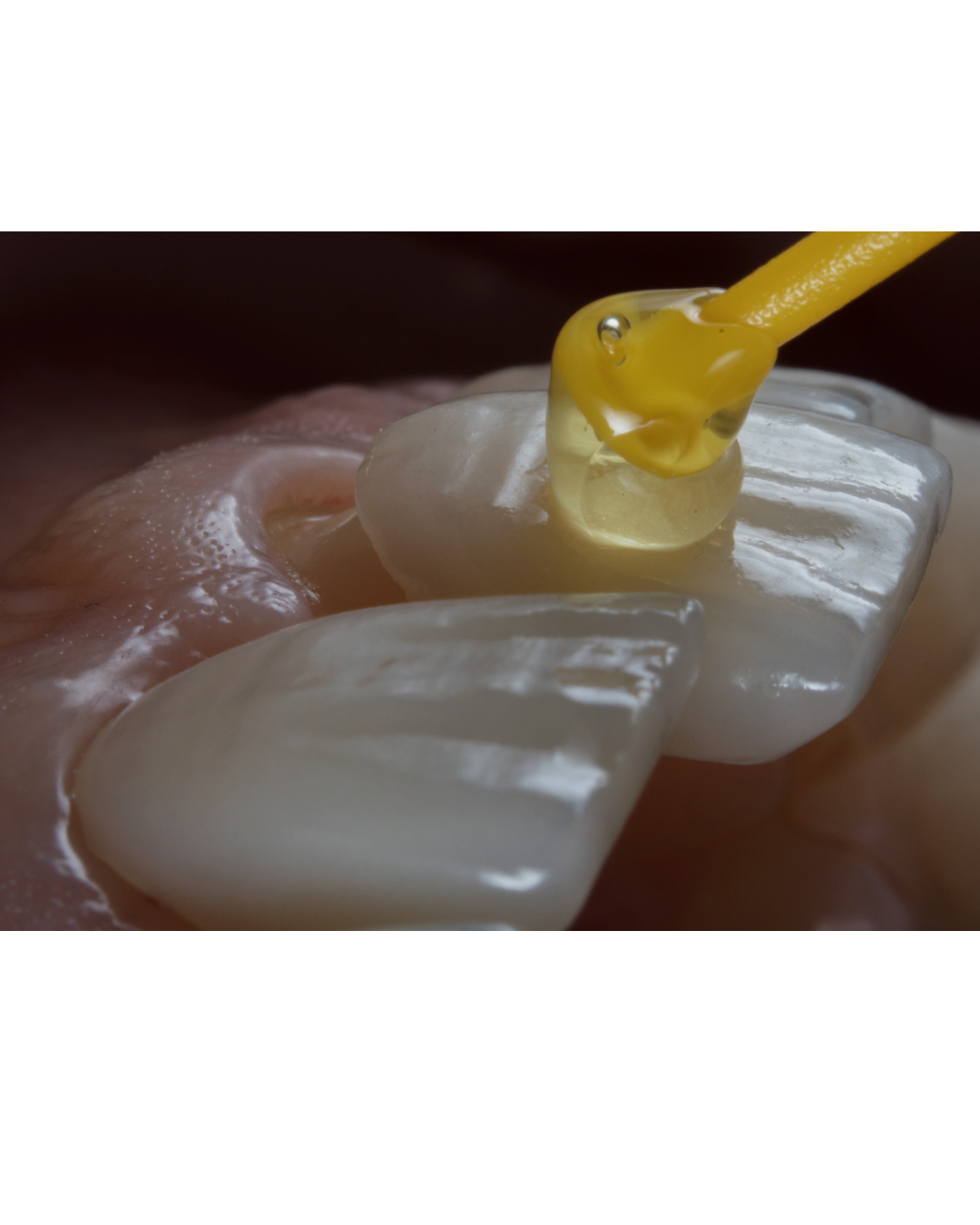
Dental veneers are a cutting-edge aesthetic solution, increasingly requested to transform the smile, correcting flaws such as chipped, stained, slightly misaligned teeth or with spacing (diastemas). This treatment makes it possible to achieve a natural, harmonious look. However, it is common to have questions and concerns before starting a path like this. This article aims to clarify the most frequent doubts, providing answers based on professional information and on the most conservative techniques available.
What are Ultra-Thin Dental Veneers?
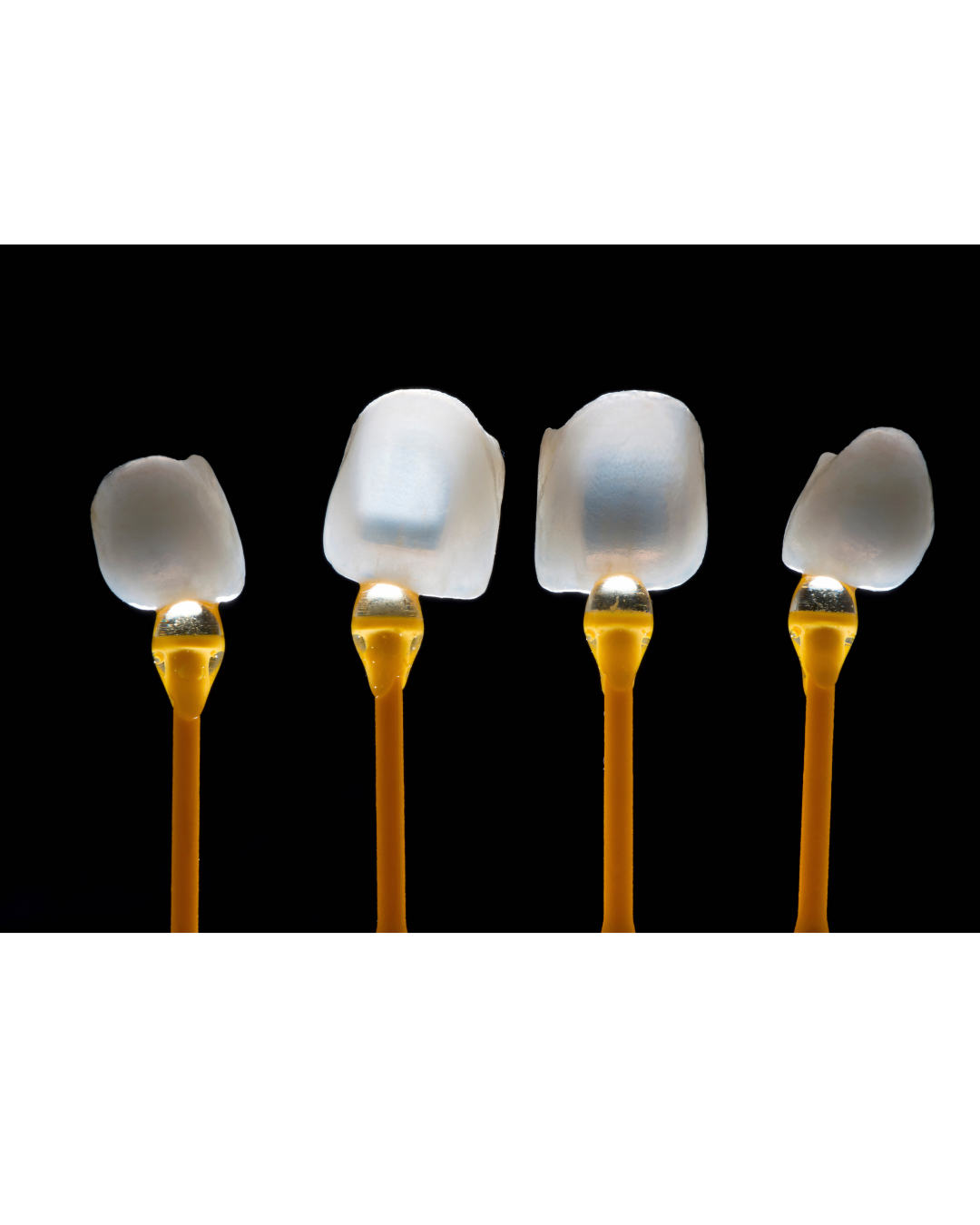
Ultra-thin dental veneers are thin sheets of high-quality ceramic, with a thickness that typically ranges between 0.2 and 0.3 millimeters. They are bonded to the outer surface of the teeth to improve their aesthetic appearance. Their extremely reduced thickness makes them similar to contact lenses for teeth, offering an excellent aesthetic result with a minimally invasive approach.
Do dental veneers damage the natural tooth?
Absolutely not. The application of veneers does not damage the natural tooth in any way. Both the ceramic veneer and the cement used for bonding are biocompatible materials that do not alter the tooth structure.
Is tooth preparation necessary?
Unlike traditional veneers, which in some cases may require a significant reduction of enamel, ultra-thin veneers are often designed to be applied with a 'no-prep' (no preparation) or 'minimal-prep' (extremely conservative preparation) technique. This means that, in most cases, no tooth filing is needed, or only an extremely conservative enamel preparation. The primary goal is to preserve as much of the original tooth structure as possible, making this treatment one of the most conservative aesthetic options available.
It is important to note that, if applied to already protruding teeth without any filing, ultra-thin veneers could make the teeth appear slightly larger or thicker. A careful evaluation by me is essential to determine the most suitable approach for the individual case, ensuring an optimal and natural aesthetic result.
Can tooth preparation cause pain?
If only minimal enamel preparation is needed, it is so conservative that it should not cause any discomfort. The procedure is generally painless. However, to ensure maximum patient comfort, it is always possible to perform local anesthesia if needed, eliminating any potential feeling of discomfort.
Do dental veneers change color over time?
No, dental veneers do not change color. Since they are made of ceramic, a glassy material that is chromatically stable, they keep their bright color even after many years. They do not darken and do not stain, unlike natural teeth that can yellow or stain due to foods, drinks, or smoking
How long do dental veneers last?
Their lifespan is influenced by the quality of the material (ceramic) and the patient’s habits. It is essential to avoid chewing foods that are too hard, grinding your teeth (bruxism, for which the use of a night guard is recommended) and to undergo regular check-ups and periodic professional cleanings
Can dental veneers come off or break?
Fear of detachment or breakage is common, but if occlusion and cementation are done correctly, dental veneers should not come off
Breakage is a rare event, given the high strength of ceramic. However, bad habits such as biting your nails, grinding your teeth, or chewing extremely hard foods can compromise the integrity of the veneers over time. Even in this case, relying on an experienced professional and adopting good habits are crucial
Can dental veneers be removed?
Yes, they can be removed, but what happens next depends a lot on the technique used at the start.
Removing ultra-thin veneers: what to expect?
If you chose ultra-thin veneers (the ones like contact lenses), the good news is that the procedure is extremely conservative. If the veneers are removed, it is not always mandatory to replace them immediately with new work, provided the underlying tooth is healthy and intact.
However, before proceeding, I must assess some key aspects:
The condition of the enamel: If no filing was done to apply the veneers (the No-Prep technique), the tooth can often return to its natural state without the need for further restorations. If, instead, minimal preparation was needed and the enamel is altered, it may be advisable to protect the tooth with a new veneer or a thin layer of composite resin to avoid sensitivity.
Tooth wear during removal: If the preparation was minimally invasive or absent (common with ultra-thin veneers), it is often possible to keep the tooth without an immediate restoration. However, if dentin is exposed or the enamel is significantly altered, it may be necessary to rehabilitate the tooth with a new veneer, a composite resin restoration, or a crown.
Reason for removal:
Aesthetic planning: If the patient wants to keep the previous aesthetic result, a new veneer will be needed, respecting the initial plan and the color of the adjacent teeth.
Advantages of Ultra-Thin Dental Veneers
1.Preservation of Tooth Structure: Thanks to the 'no-prep' or 'minimal-prep' technique, the tooth’s original enamel is preserved as much as possible.
2.Speed of Treatment: The process is relatively fast. After the impression is taken and the design is done, the veneers are made in the lab and applied in a following appointment.
3.Extended Longevity: Clinical studies indicate that these veneers can last up to 20 years with proper oral hygiene and regular check-ups at the dental office.
4.Natural Aesthetics: The high-quality ceramic material and reduced thickness ensure an extremely natural result and a bright color that does not change over time.
The value of your new smile: the costs of dental veneers
It is important to emphasize that, in dentistry, the cost is not a fixed figure, but the result of a personalized treatment pathway.
According to guidelines on transparency and professional decorum, the cost of veneers depends on several clinical and technical factors:
- Preliminary Analysis and Planning: Every smile is unique. The study phase (photos, digital impressions and mock-up) is essential to ensure a harmonious, long-lasting result.
- High-Quality Materials: The use of latest-generation ceramics, which offer strength and a natural look indistinguishable from real teeth, affects the final value of the treatment.
- Case Complexity: The number of veneers needed and the starting condition of the teeth (presence of strong discolorations, need for minor realignments) determine the clinical effort required.
- Handcrafted Customization: Each veneer is custom-made by specialized dental laboratories, a high-precision job that requires time and expertise.
How many appointments are needed?
1-First Appointment (initial visit and impression): Once the patient’s suitability for treatment is confirmed, we begin the planning phase, which includes photographic documentation, the initial scan or impression, and an in-depth discussion of aesthetic expectations. At this stage we choose together the desired shade of white. A major advantage is that, in most cases, temporary veneers are not required.
2-Second appointment Preparation (when indicated) and final impression:. After preparation, the final impression or intraoral scan is taken.
3-Third appointment Try-in and cementation: After the lab has made the veneers, a try-in is performed in the mouth to check fit, color, and aesthetics. If the result is approved, we proceed with adhesive cementation of the veneers.
Conclusions
Ultra-thin dental veneers are an excellent option for those who want to improve their smile in a conservative and effective way. However, it is essential to understand that they are not suitable for all clinical cases. Severe dental crowding, teeth with very dark discolorations, or complex bite issues may require a different therapeutic approach, such as preliminary orthodontic treatment or the use of traditional veneers.