.png "logo roseli 2026 (1200 x 628 px)")
I am Dr. Roseli and I welcome you to my blog!
More and more often, pediatric dental visits take place at the end of long days full of commitments, between school activities, sports, and studying. This trend reflects the fast pace of modern families, but it also raises many questions about how to best manage children's dental health in such a dynamic context.
In this post, I have selected for you the most frequently asked questions and answers. You will find practical advice and essential clarifications to help you confidently navigate your children's dental care and prevention journey.
Can baby teeth cause pain?
Yes, even deciduous teeth (baby teeth) have a nerve called the pulp, which can cause extremely intense pain, very similar to adult toothache.
A child with inflammation of the pulp, known as pulpitis, requires urgent dental intervention. The treatment to be performed will be determined based on the remaining structure of the tooth, the child's age, and the time left until the natural exfoliation of the baby tooth, which will make way for the permanent tooth.
Why keep baby teeth healthy?
- Baby teeth preserve the necessary space for the eruption of permanent teeth, guiding them into the correct position
- They contribute to the child's self-esteem and socialization
- They are essential for correct articulation of sounds and language development
- They ensure proper nutrition and digestion
- An untreated cavity in a baby tooth can cause pain, infections, and even damage the permanent tooth
The Importance of the First Visit: When to Start?
Starting early, around the age of 3, is important for several reasons:
Early Prevention: allows for the prevention, interception, and treatment of common problems such as baby bottle tooth decay.
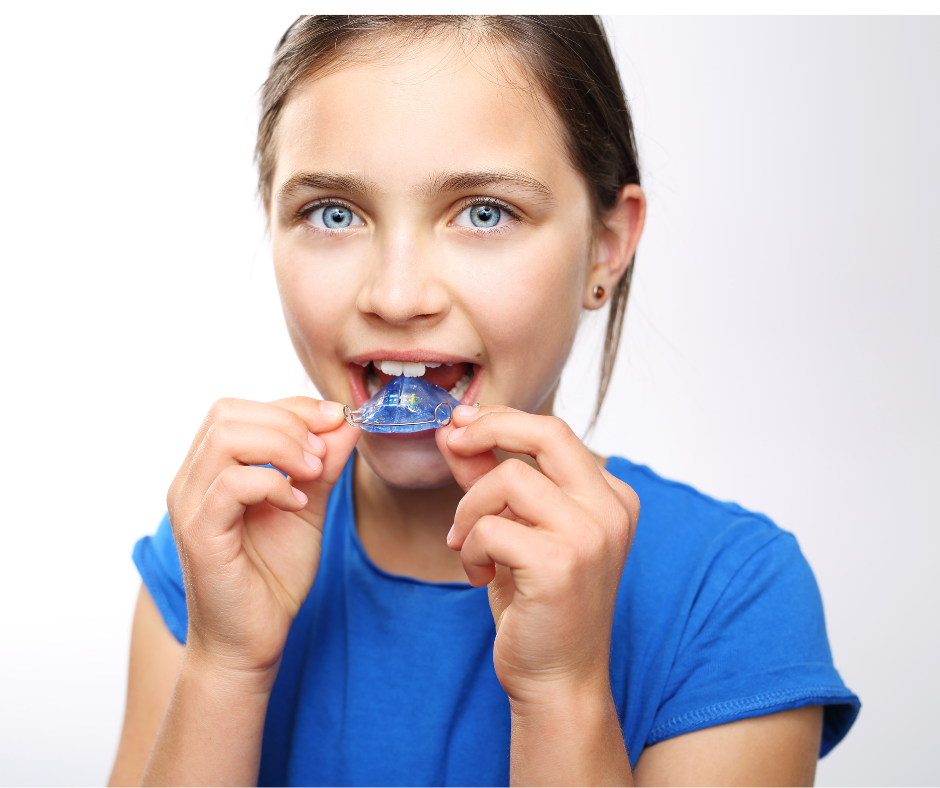
Early Diagnosis and Interceptive Orthodontics: a crucial aspect of the pediatric visit is the assessment of bone development. When a child has a larger lower jaw than upper jaw, or vice versa, it is essential to start treatment without wasting precious time.
Timely intervention during the growth phase (interceptive orthodontics) allows for proper guidance of jawbone development. Waiting too long could compromise or make future orthodontic treatment much more complex.
Trust: creating a relationship of trust, preventing the child from developing a fear of the dentist in the future.
How to prepare together for the visit: small tips for parents for a Calm Visit. My advice:
To make your child's experience as calm as possible, parental cooperation is valuable. Here are some suggestions on how to communicate with them before the appointment:
1 Use positive language: Avoid mentioning terms related to pain or medical procedures, even to reassure them. For example, it is preferable not to say phrases like "don't be afraid" or "the doctor won't give you anesthesia." These expressions, although meant to be reassuring, can unintentionally suggest to the child that there is something to fear.
2 Always present the dentist as a friend of the teeth.
3 Let the doctor explain: During the visit, I will use magical terms to explain each step to the child. If the little one asks specific questions, you can answer simply: "the doctor will show you all her special tools and explain how they work!"
4 Be calm: Children sense adults' emotions. If you are calm and smiling, they will also experience the appointment as a normal and pleasant routine for their health.
5 Choose a time when the child is rested and in a good mood.
6 Encourage children to maintain regular oral hygiene: Brush teeth three times a day with a fluoride toothpaste specific for the child's age

The first visit, what do I do?
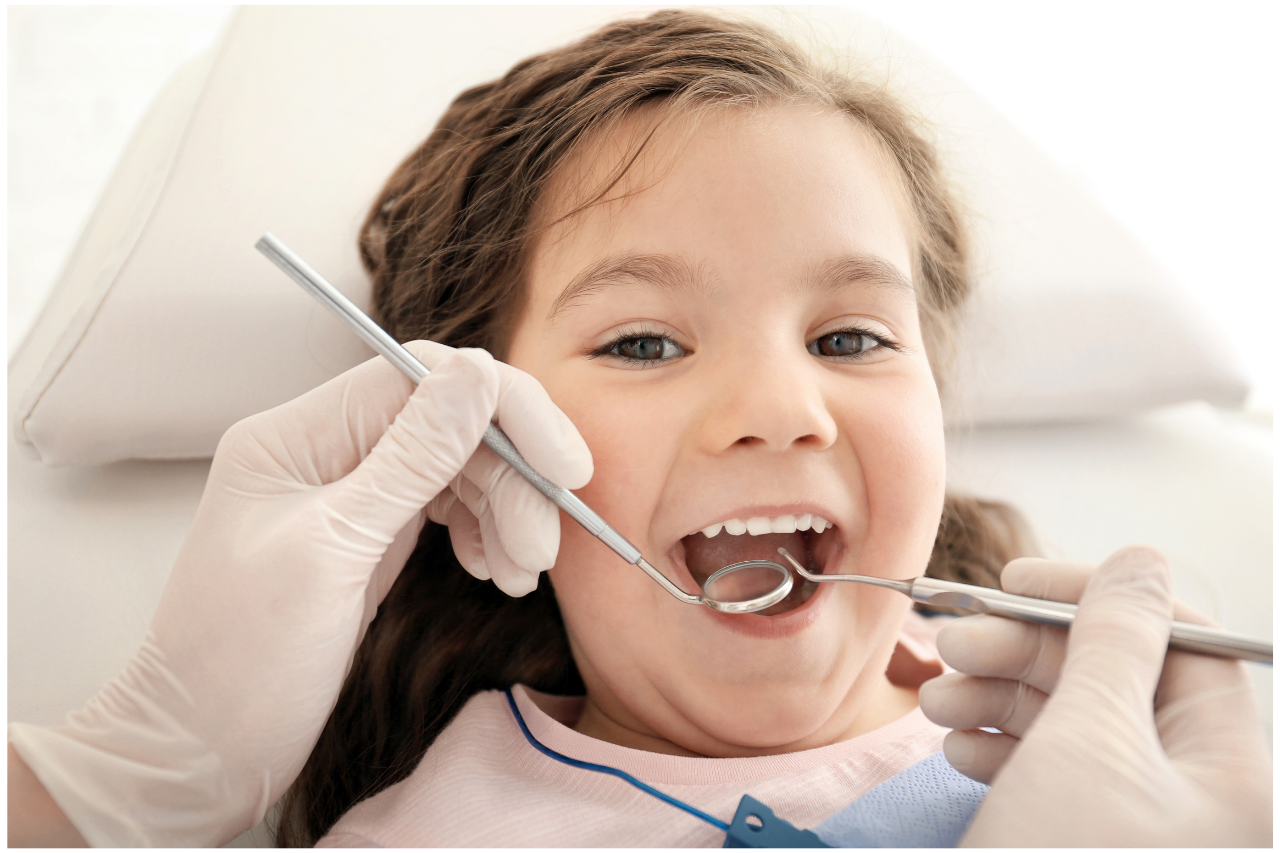
I perform a visual examination of the teeth and gums.
I check each tooth to see if there are any cavities
I assess jaw growth and teeth alignment.
My approach is based on prevention, education, and creating a positive and anxiety-free experience from the very first meeting.